Table of Contents
- Why Storm Damage Makes This Decision So Hard
- The Four Questions That Decide Repair or Replacement
- When Storm Damage Is a Repair Job
- When Storm Damage Means Replacement
- Hidden Storm Damage Homeowners Often Miss
- Repair vs. Replacement: Cost and Long-Term Value Compared
- How Your Insurance Claim Affects the Decision
- What to Do in the First 48 Hours After a Storm
- How to Spot Storm Chasers Before You Sign
- Not Sure Which Side Your Roof Falls On? Get a Roof Inspection from Oak Tree Roofing
- Frequently Asked Questions About Storm Damage Roof Repair vs. Replacement
- Make the Right Call for Your Roof After the Storm
The storm passes. The sky clears. Then you spot it: a brown stain spreading across the bedroom ceiling.
Suddenly one question takes over your evening. Do you patch the damage or buy a whole new roof?
Get it wrong and you pay twice. Replace too soon and you waste thousands. Repair too little and the next rain finds the same weak spot.
This guide to roof repair vs. replacement after storm damage gives you a clear way to decide. You will learn the warning signs, the real costs, and how insurance fits in.
Not sure what you are looking at? Call Oak Tree Roofing at (910) 994-0403 for a no-pressure inspection.
Why Storm Damage Makes This Decision So Hard
Storm damage hides. Wind, hail, and water often harm a roof in places you cannot see from the ground. That is why the repair or replace question feels like a guess. It does not have to be.
Damage You Can See vs. Damage You Cannot
Missing shingles are easy to spot. Bruised shingles, broken seals, and wet underlayment are not. A roof can look fine from the driveway and still leak into the attic.
Homeowners in Fayetteville and nearby towns see this often. Thunderstorm winds and tropical storm remnants hit roofs hard, and the stain may appear weeks later.
The Pressure of Leaks, Adjusters, and Door-Knocking Contractors
Right after a storm, three voices compete for your attention. The leak says act now. The insurance adjuster says document everything. A stranger at your door says he can fix it today.
Slow down. A calm, informed decision protects both your roof and your wallet.
The Four Questions That Decide Repair or Replacement
Four questions settle most storm damage decisions. How old is the roof? How much of it is damaged? Are the decking and underlayment wet or soft? Has it leaked before?
- Lean toward repair: roof under 15 years old, damage in one area, dry decking, no past leaks.
- Lean toward replacement: older roof, damage on several slopes, soft decking, repeat leaks.
How Old Is Your Roof?
Asphalt shingles typically last 20 to 30 years. A roof past 15 years has less life left to protect. Big repair bills make less sense when the whole system is nearing retirement.
Younger roofs with isolated damage are strong repair candidates.
How Much of the Roof Is Damaged?
Damage on one slope or in a few spots favors repair. Damage across several slopes favors replacement.
Many roofers use a simple rule of thumb. When repairs approach a third of replacement cost, a new roof is usually the smarter buy.
Are the Decking and Underlayment Affected?
Shingles are only the top layer. Under them sit the underlayment and the wood decking. Learn more about the layers under your shingles and why each one matters.
Soft spots, sagging, or dark water stains mean moisture got through. Wet decking usually means a bigger job than a patch.
Has This Roof Leaked Before?
A first leak after a major storm is one thing. A leak that returns after repairs is another. Repeat leaks signal failing materials, not bad luck.
At that point, replacement stops being optional. It becomes the fix.
When Storm Damage Is a Repair Job
Repair makes sense when damage is small, local, and the roof underneath is sound. Think a few missing shingles, bent flashing, or one damaged slope on a healthy roof. A targeted fix restores protection without the cost of a full new roof.
Isolated Missing or Lifted Shingles
A handful of torn or missing shingles is the classic repair. A roofer replaces the damaged pieces and reseals the surrounding area. Done right, the patch blends in and lasts for years.
Our crews handle this kind of storm damage roof repair across the Fayetteville area.
Damaged Flashing, Vents, or Ridge Caps
Storm winds often bend flashing or knock vents loose. These small parts guard the roof’s weakest points. Fixing them early stops water from creeping in. It is a modest repair that prevents an expensive one.
Damage Limited to One Slope
Sometimes only the windward side takes the beating. A partial replacement fixes that slope and leaves the rest alone. It works best when the other slopes are young and healthy.
When Storm Damage Means Replacement
Replacement is the smarter call when damage is widespread, the decking is compromised, or the roof is near the end of its life. In those cases, repairs only treat symptoms. A new roof removes the problem and can bring a fresh manufacturer warranty.
Widespread Hail Bruising and Granule Loss
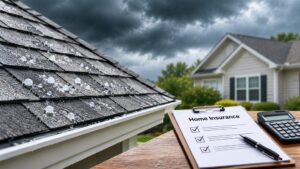
Hail rarely leaves a single mark. It bruises shingles across the roof and knocks off protective granules. Look for dark spots, bare patches, and granules collecting in your gutters.
Once damage is roof-wide, patching cannot keep up.
Soft Decking, Sagging, or Water Intrusion
A sagging roofline or spongy decking is a structural warning. Water has been sitting where it should not. The damaged wood must come out, and that usually means replacing the roof above it.
An Aging Roof With Repeated Storm Repairs
Have you patched the same roof after storm after storm? Add up the bills. Repeated repairs on an old roof are money poured into a sinking boat.
A full roof replacement often costs less than five more patches. Hire a GAF certified roofing contractor so the new system qualifies for stronger warranties.
Want storm-tough materials? Metal roofing and GAF TimberSteel are both worth a look.
Hidden Storm Damage Homeowners Often Miss
Hidden storm damage includes wet underlayment, soaked attic insulation, broken shingle seals, and rotted decking. None of it shows from the ground. A professional roof inspection checks the attic and every slope, so problems surface before they become leaks.
Underlayment and Attic Moisture
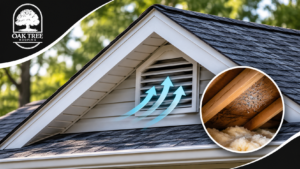
Water can slip past damaged shingles and soak the underlayment. From there it drips into insulation and framing. Damp insulation, dark spots, or a musty attic smell are early clues.
Wind-Lifted Shingles That Have Not Failed Yet
Strong gusts can break the sealant strips under shingles. They look normal but sit loose. The next storm peels them away. That is why every big wind event deserves a closer look.
Why Ceiling Stains Appear Weeks Later
Water travels. It follows rafters and wiring long before it shows up as a stain. That delay fools homeowners into thinking the roof escaped.
Here is a real example. During one Oak Tree replacement, the crew found water-damaged sheathing the homeowner never knew existed. They fixed it properly instead of covering it up.
Professional roof leak detection traces the source, not just the stain.
Repair vs. Replacement: Cost and Long-Term Value Compared
Repair costs less today. Replacement costs more today but protects you longer. Small, isolated damage on a healthy roof favors repair. Widespread damage on an aging roof favors replacement, because repeated repairs add up and leave the real problem in place.
| Factor | Repair | Replacement |
| Typical cost | Hundreds to a few thousand dollars | Several thousand to well over ten thousand dollars |
| Best for | Isolated damage, roof under 15 years | Widespread damage, roof 15 years or older |
| Time on site | Hours to a day | One to two days for an average home |
| Warranty | Covers the repaired area only | Fresh manufacturer coverage possible |
| Long-term value | Extends current roof life | Resets roof life, fewer repeat repairs |
| Main risk | Hidden damage may remain | Higher upfront cost |
Costs vary by roof size, pitch, and materials.
What Drives Storm Repair Costs
Roof size, pitch, material, and access all shift the price. So does hidden damage found mid-job. A trustworthy roofer explains every line before work begins.
Our overview of roof repair and replacement in North Carolina shows what to expect.
When Repeated Repairs Cost More Than Replacement
Track what you have spent. Add the next estimated repair. If the total nears a third of a new roof, replace it.
Weigh the warranty too. See how GAF roof warranties compare before you decide. Flexible financing can also soften the upfront cost.
How Your Insurance Claim Affects the Decision
Most homeowners policies cover sudden wind and hail damage, though not wear and tear. Your adjuster’s estimate may say repair even when the roof needs replacement. Document everything, get an independent inspection, and compare scopes before you accept a settlement.
What Wind and Hail Coverage Usually Includes
Policies typically cover damage from a specific storm event. They rarely cover age-related wear. Your deductible, and whether you hold actual cash value or replacement cost coverage, change what you receive.
Read your policy before the adjuster visits.
Documenting Damage Before the Adjuster Visits
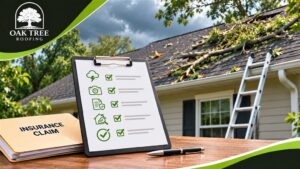
Take dated photos of the roof, ceiling stains, and any debris. Save receipts for emergency repairs. Note the storm date.
Good records strengthen your claim. Oak Tree documents damage during inspection and can meet your adjuster on site.
When to Question a Repair-Only Estimate
Suppose the adjuster approves a few shingles but you see damage on several slopes. Ask for a second look and request the scope in writing. An independent roofer’s report can show what was missed.
What to Do in the First 48 Hours After a Storm
Stay safe first. Then protect, document, and call. Stay off the roof, cover active leaks if it is safe, photograph everything, and book a professional inspection. Avoid signing anything on the spot. Quick, careful steps limit further damage and strengthen your claim.
Safety and Temporary Protection
Never climb a wet or damaged roof. Move valuables away from leaks and set buckets under drips. A professional can tarp the roof safely.
Debris in downspouts can back water up. Our rain gutter services team can clear and repair storm-damaged gutters.
Photos and Records
Photograph the roof from the ground, the attic, and every stain. Add dates. Keep every receipt. These records turn a stressful claim into a documented one.
Who to Call First
Call your insurer to open a claim. Then call a local, licensed, insured roofer for an inspection. Get that inspection before you sign anything.
How to Spot Storm Chasers Before You Sign
Storm chasers are out-of-town crews who arrive after severe weather, push quick deals, and disappear. Spot them by pressure tactics, no local address, large upfront payments, and vague contracts. A trustworthy local roofer shows credentials, gives written scopes, and stays reachable after the job.
Red Flags After a Storm
- Door-knocking with “today only” pricing
- Pressure to sign over your insurance rights
- No local address or verifiable license
- Large cash payments demanded upfront
- Verbal promises with no written scope
What a Trustworthy Local Roofer Does Differently
A local roofer answers questions, shows proof of insurance, and explains findings with photos. Customer reviews of Oak Tree often mention before-and-after photos and one point of contact from start to finish.
Verify manufacturer credentials too. Our guide on how to verify a roofer is actually GAF certified shows you how. Homeowners in Raeford can use the same checklist.
Not Sure Which Side Your Roof Falls On? Get a Roof Inspection from Oak Tree Roofing
You do not have to guess. Oak Tree Roofing inspects the roof, checks the attic, and photographs what we find. Then we tell you plainly whether you need a repair or a replacement.
No pressure. No sales games. Schedule your roof inspection or call (910) 994-0403.
Frequently Asked Questions About Storm Damage Roof Repair vs. Replacement
Can a Storm-Damaged Roof Be Repaired Instead of Replaced?
Yes, when damage is small and local and the decking is sound. Missing shingles, bent flashing, and single-slope damage are common repair cases. An inspection confirms the roof underneath is healthy before you choose a patch.
How Much Storm Damage Means You Need a New Roof?
There is no fixed percentage. Hail bruising across the roof, damage on several slopes, soft decking, or repeat leaks point to replacement. Many roofers suggest replacing when repair costs reach about a third of a new roof.
Will Insurance Pay for a Full Replacement After a Storm?
Sometimes. Coverage depends on your policy, deductible, and the adjuster’s findings. Sudden wind or hail damage is often covered. Wear and tear usually is not. A documented inspection helps support a replacement claim.
How Long Can I Wait Before Repairing Storm Damage?
Not long. Water damage spreads, and policies often set claim deadlines. Cover active leaks with a temporary tarp. Book an inspection within days, not months.
Is Partial Roof Replacement Worth It?
It can be, when damage sits on one slope and the rest of the roof is young. Matching shingle color and age can be tricky, so ask your roofer how the new section will blend.
Should I Replace My Roof Before or After Storm Season Ends?
Repair active leaks right away. If the roof is stable, some homeowners wait for calmer weather before a full replacement. Your roofer can advise on timing based on your roof’s condition.
Make the Right Call for Your Roof After the Storm
Repair or replace? Return to the four questions: age, damage extent, decking, and leak history. When the answers are unclear, get an expert opinion.
Oak Tree Roofing serves homeowners in Laurinburg and across 13+ NC counties. Browse all of our service areas to find your town.
Before you hire anyone, read our list of 12 questions to ask before hiring a GAF roofing contractor.
Ready for a clear answer? Call (910) 994-0403 or find us on Google Maps.