Table of Contents
- Why Attic Ventilation Problems Shorten Roof Life
- Your Upstairs Rooms Feel Like an Oven
- Your Cooling Bills Keep Climbing
- Shingles Are Curling, Blistering, or Aging Unevenly
- Granules Are Piling Up in Your Gutters
- Your Attic Smells Musty or Shows Mold
- Insulation Is Damp and Nails Are Rusting
- Your Vent Setup Looks Wrong From the Yard
- How Serious Is It? A Quick Severity Guide
- When It’s Not a Ventilation Problem
- How to Check Your Attic Safely
- Seeing More Than One of These Signs?
- Frequently Asked Questions About Attic Ventilation Problems
- Protect Your Roof’s Lifespan With Oak Tree Roofing
James was cleaning his gutters on a Saturday in Fayetteville when he noticed something strange.
Dark, sandy grit filled the gutter. Handfuls of it.
He shrugged it off. His roof was only 10 years old.
That night, his kids complained again. Their upstairs bedrooms felt stuffy, even with the AC running hard. James figured the HVAC system just needed service.
Two problems. Two separate fixes. At least, that’s what he thought.
Then a roofer climbed into his attic. It felt like a sauna. The insulation covered the soffit vents. Nails poking through the roof deck had rust on them.
The gutter grit and the hot bedrooms weren’t separate problems at all. They were both signs of poor attic ventilation, quietly aging his roof years ahead of schedule.
Your attic can’t tell you when it’s struggling. But your home can.
This guide walks you through seven warning signs, why each one happens, how it shortens roof life, and what to do next. You’ll also get a severity guide, honest notes on false alarms, and a safe way to check your attic.
Noticing any of these signs? Call Oak Tree Roofing at (910) 994-0403.
Why Attic Ventilation Problems Shorten Roof Life
Poor attic ventilation traps heat and moisture under your roof. Excess heat can bake shingles from below, speeding up blistering, curling, and granule loss. Trapped moisture can weaken the roof deck, rust nails, and encourage mold. Over time, both can shorten your roof’s lifespan and lead to earlier repairs or replacement.
Heat Bakes Shingles From Below
The sun heats your roof from above. A poorly vented attic adds heat from below.
Shingles caught in the middle age faster. They can become brittle, lose granules, and curl at the edges.
Moisture Weakens the Roof Deck
Everyday living sends warm, humid air into the attic. Without airflow, that moisture condenses on cooler surfaces like the roof deck.
Repeated moisture can lead to mold, rot, and rusty fasteners.
Your Upstairs Rooms Feel Like an Oven
If upstairs rooms stay hot even when your AC runs, your attic may be trapping heat. Poor ventilation lets attic temperatures climb, and that heat pushes down into the rooms below. The same heat stresses your shingles every day, which can contribute to early roof aging.
What you’ll notice: Second-floor bedrooms that stay stuffy, especially on summer afternoons and evenings.
Why it happens: Heat builds in the attic with nowhere to go. It radiates through the ceiling into your living space.
How it shortens roof life: That same trapped heat sits right under your shingles, day after day.
What to do: Note which rooms are hottest and when. Share this with a roofer during an inspection.
Why the Second Floor Takes the Heat
The rooms closest to the attic feel it first. If upstairs temperatures are noticeably higher than downstairs, attic heat is often part of the reason.
Your Cooling Bills Keep Climbing
Rising cooling bills can signal poor attic ventilation. When attic heat leaks into your home, your air conditioner works harder and runs longer. While many factors affect energy costs, higher bills combined with a hot attic and warm upstairs rooms often point to an airflow problem.
What you’ll notice: Summer bills creeping higher, or an AC that seems to run nonstop.
Why it happens: Your AC fights heat coming down from the attic.
How it shortens roof life: The cause behind high bills, trapped heat, is the same thing aging your shingles.
What to do: Compare bills season to season. Rule out HVAC issues, then have your attic ventilation checked.
When Your AC Never Seems to Rest
If your HVAC tech says your system is working fine but the house still won’t cool, look up. The attic may be the missing piece.
Shingles Are Curling, Blistering, or Aging Unevenly
Curling, blistering, or brittle shingles, especially on a younger roof, can be a sign of excessive attic heat. Uneven aging, where one slope looks older than another, may also point to ventilation issues. These signs can have other causes too, so a professional inspection helps confirm what’s happening.
What you’ll notice: Edges lifting, bubbles on the surface, or shingles that look dry and brittle.
Why it happens: Constant heat from below speeds up wear on the shingle materials.
How it shortens roof life: Damaged shingles protect less, letting water reach the deck sooner.
What to do: Look from the ground with binoculars. Take photos and schedule an inspection.
Why One Roof Slope Ages Faster Than Another
Slopes facing the afternoon sun naturally take more heat. But if one area looks much older than the rest, poor airflow in that part of the attic may be adding stress.
Granules Are Piling Up in Your Gutters
Some granule loss is normal, especially on a new roof. But heavy, ongoing granule buildup in gutters, or bare spots on shingles, can signal faster-than-normal wear. Heat damage from poor attic ventilation is one possible cause, along with age and storm damage.
What you’ll notice: Sandy grit in gutters or at downspout exits.
Why it happens: Heat-stressed shingles can shed granules faster.
How it shortens roof life: Granules protect shingles from UV rays. Losing them speeds up aging.
What to do: Check gutters after storms and seasonal cleanings. Our rain gutter services can help keep drainage clear while you investigate.
What Granule Loss Means for Your Shingles
A few granules after a new install is expected. Steady, heavy loss years later deserves a closer look.
Your Attic Smells Musty or Shows Mold
A musty smell, dark spots on rafters, or visible mold in the attic often point to trapped moisture. In North Carolina’s humid climate, poor ventilation can let moisture linger and condense on the roof deck. Over time, this can weaken wood and shorten the life of your roof system.
What you’ll notice: A damp, earthy smell or dark staining on wood.
Why it happens: Humid air can’t escape, so moisture settles on cooler surfaces.
How it shortens roof life: Moisture can soften and rot the roof deck that holds your shingles.
What to do: Don’t disturb mold. Have a professional assess the cause and the damage.
How Humidity Turns Into Hidden Damage
Long, humid summers in Cumberland, Hoke, and Moore counties put extra moisture in the air. Without steady airflow, that moisture stays put.
Insulation Is Damp and Nails Are Rusting
Damp or compressed insulation and rusty nails poking through the roof deck are classic signs of attic condensation. When warm, moist air meets cooler surfaces, water forms. Poor ventilation lets that moisture build up instead of escaping, which can damage insulation, fasteners, and the roof deck over time.
What you’ll notice: Insulation that feels damp or flattened, and rust on nail tips.
Why it happens: Moisture condenses, especially on cooler nights.
How it shortens roof life: Rusty fasteners and damp decking weaken the roof’s structure.
What to do: Look for water stains and photograph what you see.
Condensation on Cool Nights
Even in the Sandhills, cool nights can cause condensation on the underside of the roof deck. Good airflow helps clear it before damage builds.
Your Vent Setup Looks Wrong From the Yard
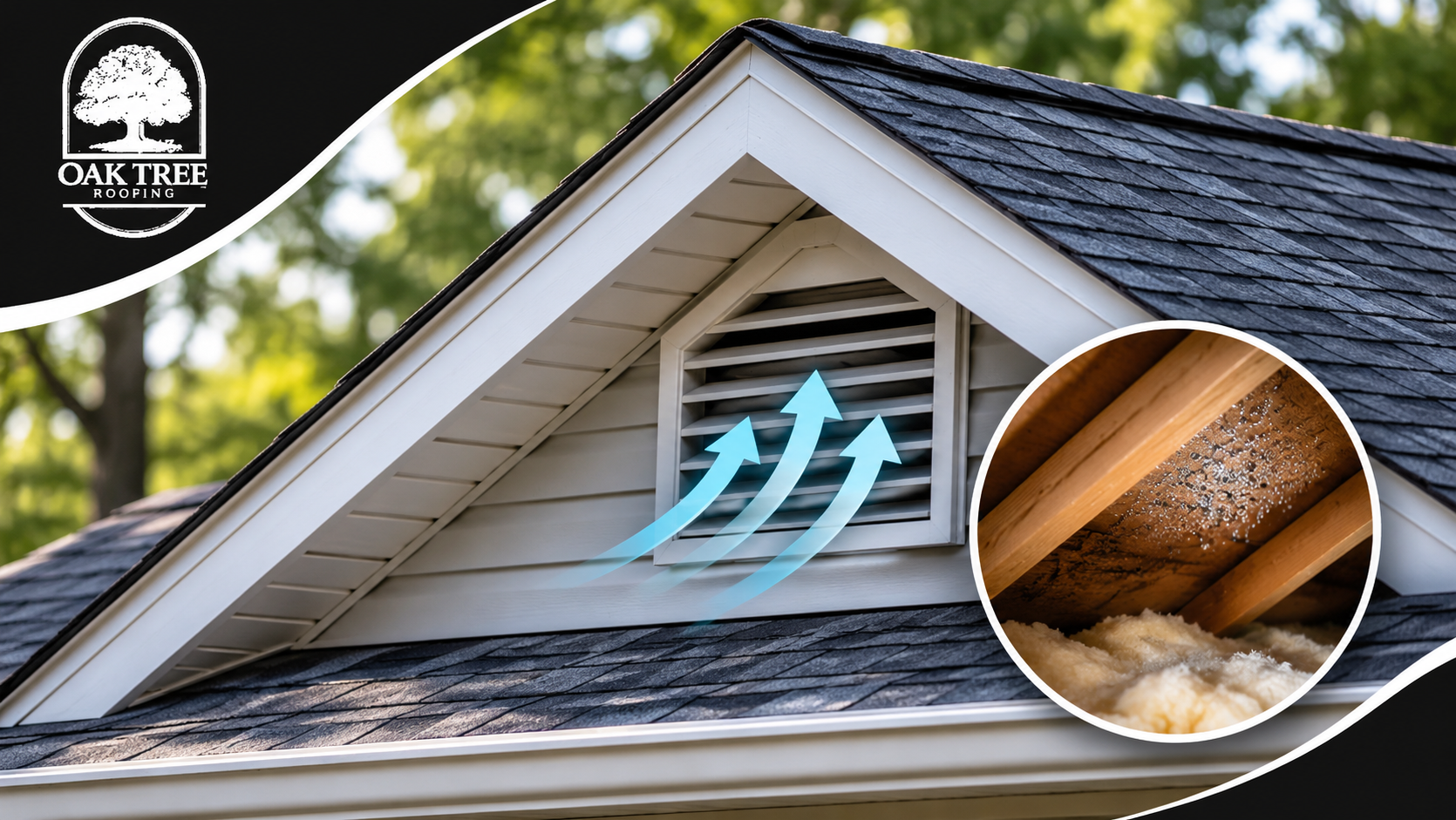
You can often spot ventilation problems without a ladder. Watch for very few roof vents, turbines that don’t spin, a mix of different exhaust vent types, and soffits that look painted over, blocked, or missing vents. These setups can disrupt airflow and leave parts of the attic poorly ventilated.
Red Flags You Can Spot Without a Ladder
- Only one or two small vents on a large roof
- Rusty or stuck turbine vents
- Ridge vents combined with box vents or turbines
- Solid soffits with no visible intake vents
- Soffit vents covered by paint or debris
- Gable vents mixed with ridge vents
Why it matters: Exhaust vents need intake to work. Mixed exhaust types can short-circuit airflow.
What to do: Take photos and ask a roofer to evaluate the full system.
How Serious Is It? A Quick Severity Guide
Not every sign needs emergency action. Hot rooms and higher bills are worth watching and investigating. Curling shingles and heavy granule loss should be inspected soon. Mold, damp insulation, rusty nails, sagging decking, or leaks call for prompt professional attention to prevent further damage.
| Sign | Severity | Why |
| Hot upstairs rooms | Watch | Often an early warning |
| Rising cooling bills | Watch | May have several causes |
| Odd vent setup | Schedule soon | Can cause ongoing damage |
| Curling or blistering shingles | Schedule soon | Roof protection may be weakening |
| Heavy granule loss | Schedule soon | Shingles may be aging early |
| Musty smell or mold | Call now | Moisture may be damaging wood |
| Damp insulation or rusty nails | Call now | Ongoing condensation |
| Sagging decking or leaks | Call now | Possible structural damage |
When It’s Not a Ventilation Problem
Some signs can come from other causes. Older roofs naturally lose granules and curl over time. Storms can damage shingles. Installation issues or product defects can also cause early wear. A professional inspection helps separate ventilation problems from other roof issues so you fix the right thing.
Normal Aging
Every roof ages. A roof near the end of its expected life may show wear even with good ventilation.
Storm and Wind Damage
High winds and hail can lift shingles and knock off granules. If damage appeared after a storm, schedule a storm damage roof repair in Fayetteville inspection.
Installation or Product Issues
Improper nailing or installation shortcuts can cause early problems. That’s one reason contractor quality matters. Learn more about what GAF certification actually matters.
How to Check Your Attic Safely
You can check for ventilation problems safely without climbing on your roof. Look at shingles from the yard with binoculars, check gutters from a stable ladder or the ground, and only enter the attic with safe footing and good lighting. Note smells, moisture, and heat, and take photos to share with a roofer.
- Scan the roof from the yard with binoculars
- Check gutters and downspouts for granules
- Notice upstairs temperatures on hot afternoons
- Enter the attic only if safe, stepping only on joists or boards
- Look and smell for moisture, mold, and rust
- Take photos of anything unusual
Never walk on your roof. When in doubt, call a professional.
What a Professional Inspection Adds
A roofer can measure your attic, calculate needed ventilation, check intake and exhaust balance, and spot hidden damage. Ask the right questions with our guide to 12 questions to ask before hiring a GAF roofing contractor in NC.
Seeing More Than One of These Signs?
One sign is worth watching. Two or more usually point to a bigger airflow problem.
Oak Tree Roofing helps homeowners across the Sandhills with roof replacement in Fayetteville NC, roofing in Raeford, and roofing in Hope Mills. Call (910) 994-0403 or contact our team.
Frequently Asked Questions About Attic Ventilation Problems
What are the signs of poor attic ventilation?
Common signs include hot upstairs rooms, rising cooling bills, curling or blistering shingles, heavy granule loss, musty attic smells or mold, damp insulation, rusty nails, and vent setups that look blocked or mismatched. Seeing more than one sign usually means it’s time for a professional inspection.
Can poor attic ventilation shorten my roof’s life?
Yes. Poor ventilation traps heat that can speed up shingle aging and moisture that can damage the roof deck and fasteners. Over time, these effects can lead to earlier repairs or replacement. Damage caused by poor ventilation may also be excluded from shingle warranty coverage.
Why are my shingles curling on a newer roof?
Curling on a newer roof can be caused by excessive attic heat from poor ventilation, installation issues, or product problems. Storms can also damage shingles. A professional inspection can identify the cause so you can fix the real problem.
Is it normal to find granules in my gutters?
Some granule loss is normal, especially soon after a new roof is installed. Heavy, ongoing granule loss on an older roof may signal heat damage, aging, or storm damage. If you notice steady buildup or bare spots on shingles, schedule an inspection.
Why does my attic smell musty?
A musty smell usually means moisture is building up in your attic. Poor ventilation can trap humid air, which condenses on the roof deck and can lead to mold or rot. Avoid disturbing mold and have a professional check the cause.
How do I fix poor attic ventilation?
Fixing poor ventilation usually involves balancing intake and exhaust. That may mean adding or clearing soffit vents, installing ridge vents, removing conflicting vents, and keeping insulation away from intake openings. A roofer can calculate exactly what your attic needs.
Protect Your Roof’s Lifespan With Oak Tree Roofing
James eventually had his attic ventilation fixed. His roofer cleared the blocked soffits, balanced the vents, and checked the decking for damage.
That summer, his kids’ bedrooms finally cooled down. And the gutters stopped filling with grit.
Poor attic ventilation rarely announces itself. But when you know the signs, you can catch problems early, before they cost you years of roof life.
Oak Tree Roofing serves homeowners across Fayetteville, Hope Mills, Raeford, Lumberton, Spring Lake, Sanford, Southern Pines, Pinehurst, Dunn, Red Springs, Clinton, and Elizabethtown. Explore our roofing services, learn about North Carolina roofing repair and replacement, check our service areas, or learn more about Oak Tree Roofing. Planning a new roof? See what each warranty level unlocks in our guide to GAF Certified vs Certified Plus vs Master Elite.
Call (910) 994-0403 or find us on Google Maps. Let’s help your roof last as long as it should.