Table of Contents
- What a Free Roof Inspection Includes
- The Ground-Level Walkaround Before We Climb
- What We Check Up Close on Your Roof
- What We Look For Inside Your Attic
- Storm Damage Signs We Look For in North Carolina
- How Long It Takes and How to Prepare
- The Inspection Report You Receive
- Repair or Replacement: How We Decide
- Book Your Inspection With Oak Tree Roofing
- Frequently Asked Questions About Free Roof Inspections
- Schedule Your Roof Inspection Today
Your roof can look perfect from the driveway and still be leaking where you cannot see.
Maybe there is a brown spot on the ceiling after last night’s storm. Maybe a few shingles landed in the yard. Maybe you just have a nagging feeling that something is off up there.
So you search for a free roof inspection. Then the doubts creep in. What do they actually do? Will they climb up? Will you get answers or a sales pitch?
Those are fair questions. Most homeowners have never watched a roofer work.
This guide walks you through the whole visit, from the first knock to the final report. You will know what we check, why it matters, and what happens next. No surprises.
Ready to book now? Call (910) 994-0403 and we will find a time that fits your day.
What a Free Roof Inspection Includes
A free roof inspection is a no-cost, no-obligation check of your roof’s condition. We look at the shingles, flashing, vents, gutters and attic for damage, leaks and wear. Then we explain what we found, share photos, and tell you honestly whether you need a repair, a replacement, or nothing at all.
What “Free” Means at Oak Tree Roofing
Free means free. You pay nothing for the visit. You sign nothing to receive your findings. No fee hides in the report.
We do it this way because roof problems are cheaper when caught early. A small fix today beats a ceiling rebuild next spring.
Our promise is simple. You get the truth about your roof, even when the truth is “you are fine.”
What You Will Not Be Asked to Do
Here is what we never ask:
- Climb a ladder or go on the roof yourself
- Sign a contract on the spot
- Rush a decision about repairs
- Clear out your whole yard
Take your time with our findings. Call another roofer if you like. We would rather earn your yes than pressure it.
The Ground-Level Walkaround Before We Climb
Every inspection starts on the ground. We walk around your home and study the roof from every angle. We look for missing, curled or cracked shingles, sagging lines, stains on siding, and overflowing gutters. This first pass shows us where to look closely once we climb.
Reading Your Roof From the Yard
A healthy roof line looks straight and even. Dips, bumps and dark streaks tell a different story.
We also note what surrounds the roof. Pine needles packed into valleys hold moisture. Overhanging limbs scrape shingles in the wind. Both are common around Fayetteville and Raeford.
Checking Gutters, Downspouts and Drainage
Gutters tell us a lot about the roof above them. Shingle granules in the gutter mean the surface is wearing thin. Sagging runs or loose brackets mean water is not leaving the way it should.
Clogged drainage pushes water back under the roof edge. If your gutters need work, our rain gutter services can fix the problem at the source.
What We Check Up Close on Your Roof
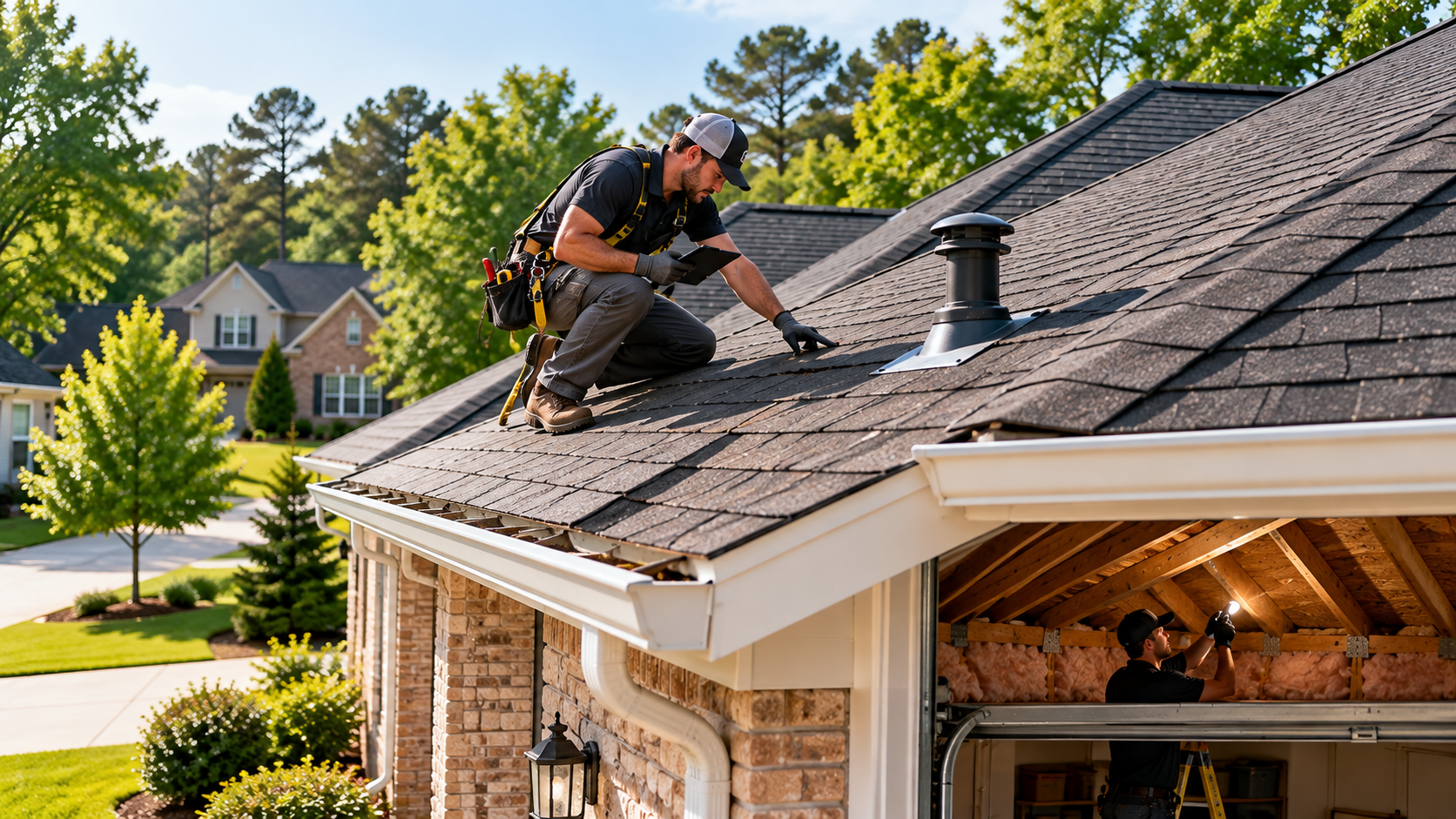
When we climb up, we check every part that keeps water out. That means shingles, flashing, vent boots, valleys, ridges and drip edges. We look for cracks, lifted edges, rust, gaps and worn sealant. Each is a common leak path, even when the roof looks fine from below.
Shingle Condition and Granule Loss
Shingles wear in clear stages. We look for cracking, curling edges, blistering and bald patches where granules have washed away.
Granules act like sunscreen for the shingle. Once they go, the asphalt underneath ages fast.
Flashing Around Chimneys and Walls
Flashing is the thin metal that seals joints. It sits around chimneys, skylights and the spots where roofs meet walls.
It is also where many leaks begin. One Fayetteville-area homeowner asked us to check shingles and add kickout flashing where a roof met a wall. We photographed each spot and sent a simple link to view every recommendation.
Vents, Pipe Boots and Other Penetrations
Every pipe or vent that pokes through your roof is a possible entry point. The rubber collar around a plumbing pipe often cracks first under the hot Carolina sun.
Small gaps here can drip for months before a stain shows. That is why we treat roof leak detection as part of every visit.
Valleys, Ridges and Drip Edges
Valleys carry the most water, so they take the most punishment. Ridges face the harshest wind. Drip edges guide water into the gutter and away from the wood beneath.
We check each for lifted edges, rust and debris.
Quick Reference: What We Check and What It Can Signal
| Roof area | What we check | What it can signal |
| Shingles | Cracks, curling, missing pieces | Age, wind damage, weak seal |
| Granules | Bare spots, gutter buildup | Surface wear, shorter lifespan |
| Flashing | Rust, gaps, lifted metal | Leak risk at joints |
| Vent boots | Cracked rubber, loose seals | Slow drips near pipes |
| Valleys | Debris, worn shingles | Water pooling or backup |
| Drip edge | Bent or missing metal | Moisture reaching the decking |
What We Look For Inside Your Attic
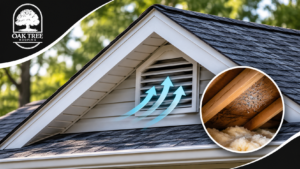
The attic shows what the outside cannot. We check for damp insulation, dark stains, daylight peeking through, and poor airflow. These clues reveal slow leaks and ventilation trouble that never show on the surface. Often the attic is the first place a hidden problem gives itself away.
Moisture, Stains and Daylight Gaps
We look at the underside of the roof deck for dark rings, wet spots and rusty nail tips. Damp insulation is another red flag.
Daylight through the boards means a gap that rain can follow. We note exactly where it sits on the roof.
Ventilation and Insulation Clues
Hot, humid air trapped in an attic cooks shingles from below. It also feeds mold.
We check vents, soffits and insulation depth. A roof that breathes well lasts longer.
Decking and Underside Condition
Decking is the wood layer that holds everything up. Soft or stained spots tell us water has been getting in.
This layer is part of the complete GAF roofing system that works together to protect your home.
Storm Damage Signs We Look For in North Carolina
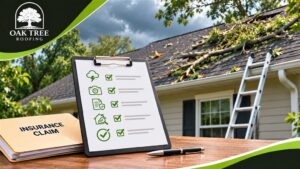
After a storm, we look for lifted or missing shingles, hail bruises, bent flashing and hidden water entry. North Carolina brings strong wind, hail and heavy rain, so damage can be subtle. Catching it early can prevent leaks and gives you clear documentation if you decide to file an insurance claim.
Wind Lift and Missing Shingles
Wind does not always tear shingles off. Sometimes it lifts them just enough to break the seal. They look fine, then fail in the next storm.
We check for creased shingles and loose tabs along edges and ridges.
Hail Bruising and Impact Marks
Hail leaves soft, dark dents where granules were knocked loose. We also look at vents, metal and gutters. Dented metal often confirms hail even when shingles look intact.
Hidden Water Entry After Heavy Rain
One homeowner spotted a brown ceiling spot after a storm. They called on a Monday morning, and we inspected that afternoon. The repair happened two days later.
For confirmed damage, our storm damage roof repair team documents everything with photos you can share with your insurance company.
How Long It Takes and How to Prepare
Most inspections take about an hour. Roof size, pitch and the number of vents or chimneys can add or save time. You do not need to prepare much. A little help makes the visit smoother.
Typical Time on Site
A small, simple roof may take less. A large home with several slopes and an attic to check takes longer. We tell you what to expect when we book the visit.
Simple Steps Before We Arrive
- Make sure we can reach the attic access
- Move cars away from the house if you can
- Note any leaks, stains or noises you have noticed
- Tell us if you want something specific checked
You do not need to be home for the roof itself. Being there for the walkthrough helps, because we can show you everything.
The Inspection Report You Receive
After the visit, you get a clear summary of what we found. It includes photos of each problem area, plain-language notes, and our recommendation. You never receive jargon you cannot use.
What Is in the Report
Expect photos tied to specific spots on your roof. Expect a clear list of issues ranked by urgency. Expect a straight answer on whether the work is a repair or something bigger.
How to Read Our Findings
We sort findings into three groups: fix now, watch over time, and fine as is. That keeps you from paying for work you do not need.
Want to compare us with other roofers? Our guide with questions to ask before hiring a GAF roofing contractor helps you judge any quote.
Repair or Replacement: How We Decide
We recommend repair when damage is limited and the roof still has years left. We recommend replacement when damage is widespread, leaks keep returning, or the roof is near the end of its life. Our decision depends on what the inspection shows, never on what the job is worth.
Signs a Repair Is Enough
Repair makes sense when problems are local. Think a few lifted shingles, a cracked vent boot or one flashing failure.
The rest of the roof should be sound. For these jobs, our roof repair work is quick and affordable.
Signs Replacement Makes Sense
Widespread granule loss, repeated leaks and soft decking all point to a bigger fix. Storm cases can be harder to judge, so read our guide on roof repair vs replacement after storm damage.
Our Honest Recommendation Standard
On one replacement, our crew found water-damaged sheathing the homeowner never knew about. We showed it, fixed it properly, and did not cover it up.
That honesty is how a GAF certified roofing contractor should work. If a roof replacement is needed, you will see exactly why.
Book Your Inspection With Oak Tree Roofing
You now know what happens on the ground, on the roof and in the attic. You know what we look for, and what you receive afterward.
The only thing left is the roof itself.
Call (910) 994-0403 or book your inspection online. You get honest answers, clear photos and zero pressure.
Frequently Asked Questions About Free Roof Inspections
Is a free roof inspection really free?
Yes. The visit costs nothing, and you owe nothing for the findings. You receive an honest assessment with photos. Any repair or replacement work is quoted separately, and you decide whether to move forward.
Do I need to be home during the inspection?
Not for the roof itself. We only need access to the attic and a way to reach you. Being home for the walkthrough helps, because we can point out each issue and answer your questions on the spot.
Will you walk on my roof?
When the roof is safe to walk, yes. Walking lets us check flashing, vents and shingle seals up close. If the pitch or surface makes it unsafe, we use other safe methods to assess the roof.
Does an inspection mean I need a new roof?
No. Most inspections lead to a small repair or no work at all. We recommend replacement only when damage is widespread or the roof is near the end of its life.
Can an inspection help after a storm?
Yes. We look for wind lift, hail marks and hidden water entry, and document them with photos. That record helps if you decide to file an insurance claim.
How often should I get my roof inspected?
Many experts suggest once a year. Schedule an extra visit after major storms or before buying or selling a home. Regular checks catch small issues before they turn into expensive leaks.
Schedule Your Roof Inspection Today
A roof you understand is a roof you stop worrying about. One short visit can replace months of wondering.
Oak Tree Roofing is a GAF certified contractor serving homeowners across North Carolina. We handle roofing in Fayetteville, roofing in Raeford, roofing in Laurinburg and nearby towns. See every town on our service areas page.
Before you hire anyone, learn how to verify a roofer is actually GAF certified. It takes two minutes and protects your investment.
Call Oak Tree Roofing: (910) 994-0403
Hours: Monday to Saturday, 7 AM to 8 PM. Closed Sunday, with emergency service available. Find us on Google Maps